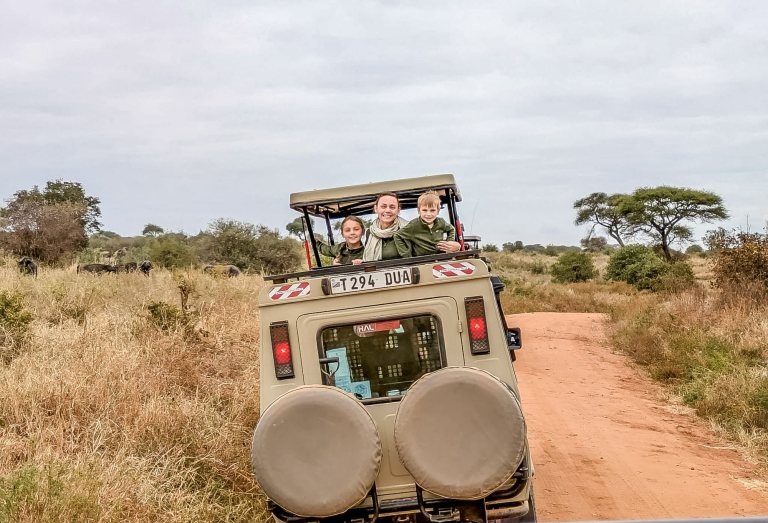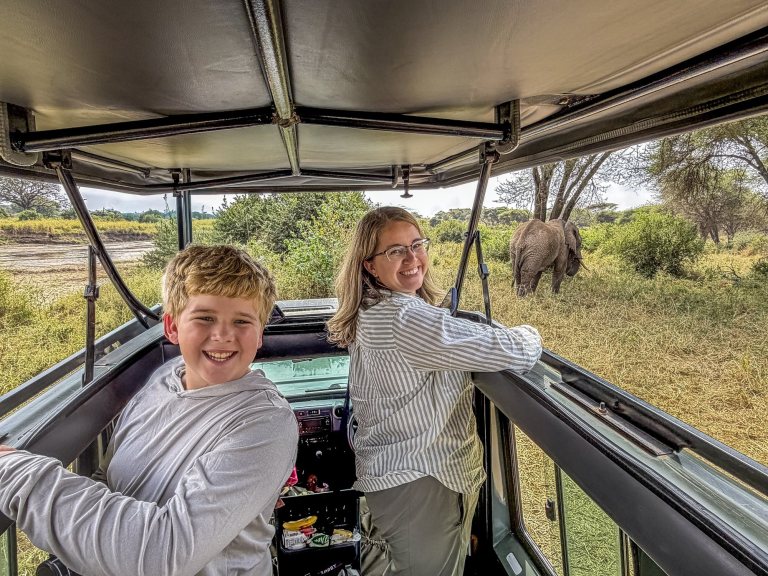
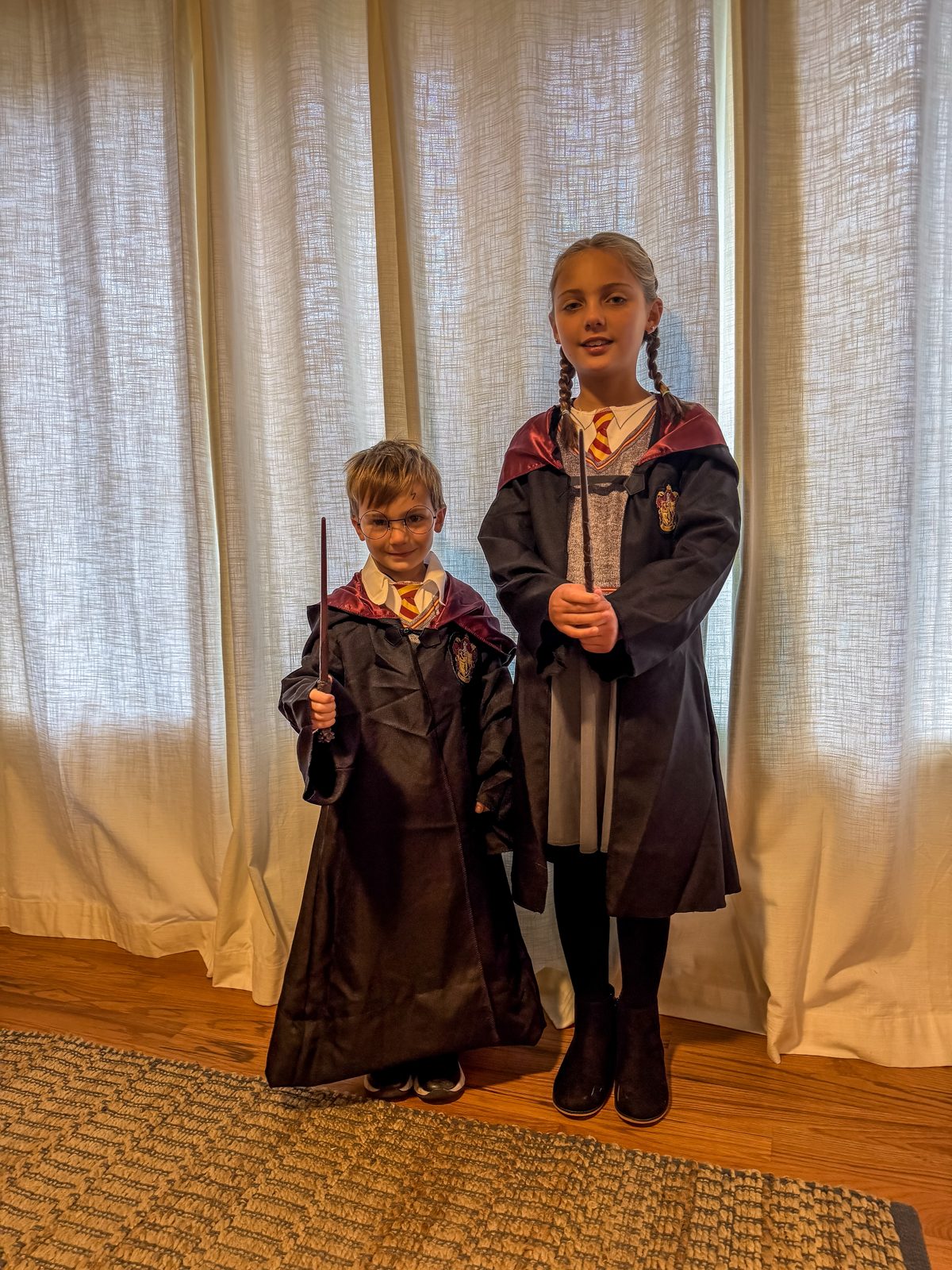
Last week my kids picked their own Halloween costumes. Separately. For the first time, there was no family theme.
Somewhere between the candy and the cleanup, it got me thinking about how differently the rest of the world spends this same week. (More on our house at the end.)
Because if travel has taught me anything, it’s that everyone celebrates differently. The same few days on the calendar look like candlelit cemeteries in Poland, marigold altars in Mexico, giant kites over Guatemala and overnight family picnics in the Philippines. And in Ireland, where Halloween began, it started with bonfires and carved turnips.
Here are five places that do it best, a few more worth knowing about, and some easy ways to bring a little of it home.
At a glance
- Mexico: Día de Muertos, Nov 1–2
- Ireland: Samhain, where Halloween began, Oct 31
- Guatemala: the giant kites of Sumpango, Nov 1
- Philippines: Undas, Nov 1–2
- Poland: All Saints’ Day, Nov 1
Plus a few more traditions, how to celebrate at home and quick answers.
01 · Mexico
marigolds light the way home

Día de Muertos is not Mexican Halloween. It’s a reunion.
Families build ofrendas, home altars for the people they’ve lost, and fill them with photos, candles, sugar skulls, pan de muerto and that person’s favorite food and drink. Bright orange cempasúchil marigolds go everywhere, because their color and scent are said to guide the spirits home.
November 1 is traditionally for children who have passed, and November 2 is for adults. In Oaxaca and around Lake Pátzcuaro in Michoacán, families spend the night at the cemetery, cleaning and decorating the graves and keeping company by candlelight. In Mexico City, there’s a huge parade.
It isn’t a day of mourning. It’s a day to set a place at the table for the people you miss.
Don’t miss
- Pan de muerto, a sweet bread topped with dough shaped like bones
- Painted sugar skulls with names written across the forehead
- The marigold-covered markets in the days before
Tip: Book Oaxaca early. Hotels around Día de Muertos fill months ahead. And at the cemeteries, you’re a guest at someone’s family gathering, so ask before you take photos.
02 · Ireland
where it all began

Long before costumes and candy, there was Samhain.
The ancient Celts marked the end of the harvest and the start of winter on October 31. It was the night the line between this world and the next was thought to be thinnest, so they lit bonfires and wore disguises to keep wandering spirits from recognizing them.
The first jack-o’-lanterns? Carved turnips, with a coal glowing inside. When Irish immigrants brought the tradition to America, pumpkins turned out to be much easier to carve.
Today, Derry~Londonderry in Northern Ireland throws what’s billed as Europe’s biggest Halloween festival, and 2026 is its 40th year. Think the whole walled city in costume, parades and fireworks over the River Foyle.
Tip: Try barmbrack, a spiced fruit bread baked with a ring inside. Tradition says whoever gets the ring will be married within the year.
03 · Guatemala
messages on the wind
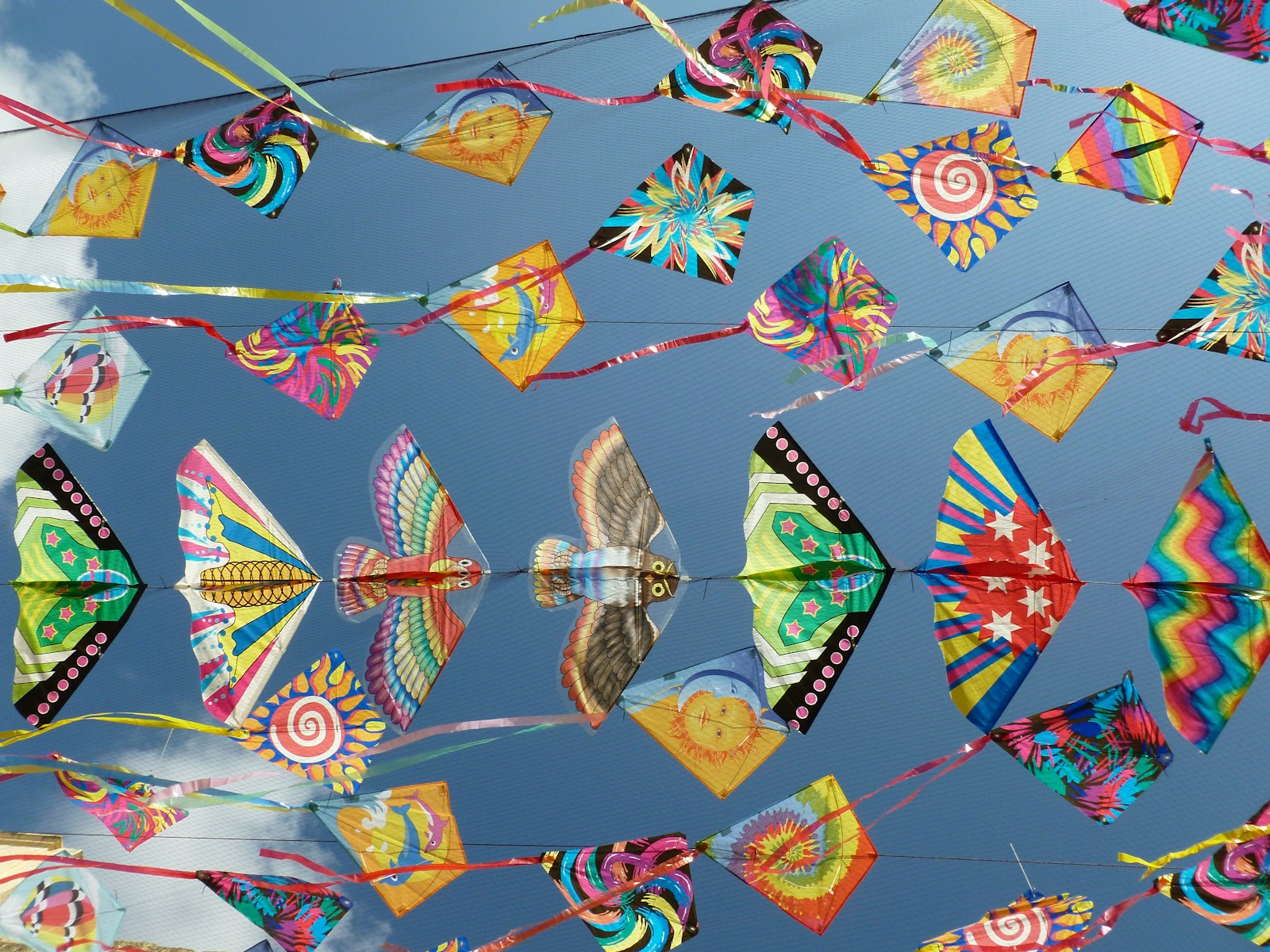
Every November 1 in Sumpango, a town outside Antigua, the cemetery fills with kites. Giant ones.
Teams spend months building barriletes gigantes from tissue paper and bamboo. Some are more than 20 meters across, covered in intricate designs and messages. The smaller kites are flown over the graves, carrying messages up to the people who have passed. The largest stand on display as art.
A whole town looking up at the sky together. I can’t think of a better way to remember someone.
Tip: Sumpango is an easy day trip from Antigua. Go early, because the crowds build fast and the kites fly in the afternoon when the wind picks up.
04 · Philippines
a sleepover at the cemetery
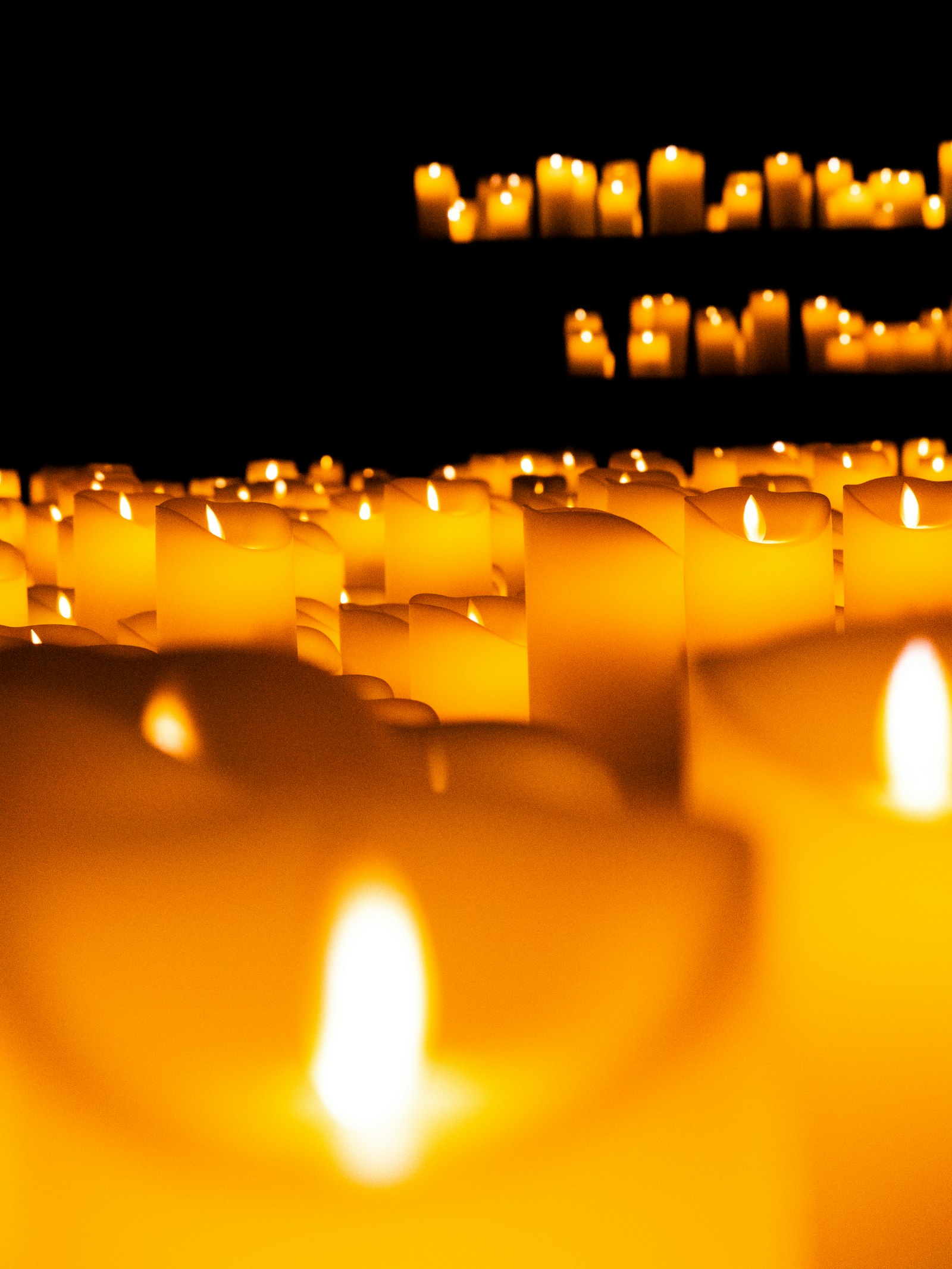
In the Philippines, Undas on November 1 and 2 is one of the biggest family gatherings of the year.
People travel home from all over the country to visit their family graves. They bring food, candles, flowers, folding chairs and sometimes a tent, and they stay. Overnight. There are card games, music, a lot of eating and plenty of catching up with cousins.
It feels more like a family reunion than a day of mourning, held right next to the people they’re remembering.
Tip: If you’re in Manila around November 1, expect heavy traffic as the whole city heads to the cemeteries, and plan any travel around it.
05 · Poland
a sea of candles

Wszystkich Świętych, All Saints’ Day, is a national holiday in Poland. Almost everyone visits their family graves, cleaning them, bringing flowers and lighting candles in colored glass jars called znicze.
By nightfall, the cemeteries glow with thousands and thousands of flickering lights. In Kraków’s Rakowicki Cemetery or Warsaw’s Powązki, it’s quiet, beautiful and one of the most moving things you can see in Europe this time of year.
Tip: Go just after dark. Dress warmly, walk slowly and keep your voice low. It’s a reverent day, not a party.
Worth Knowing
a few more traditions
- Italy. On November 2, families visit graves and bake ossa dei morti, crunchy “bones of the dead” cookies. In Sicily, children traditionally wake up to small gifts said to be left by relatives who have passed.
- Japan. Obon happens in August, not fall, but it has the same spirit. Families welcome ancestors home, dance the Bon Odori and float glowing lanterns down the river to send them back.
- Cambodia. Pchum Ben is a 15-day festival in September or October when families bring food and rice offerings to the pagodas for their ancestors.
Bring It Home
how to celebrate with your family
You don’t need a plane ticket to borrow a few of these. A few easy ones to try with kids:
- Build a small ofrenda with photos of grandparents or anyone you miss, plus a candle and their favorite snack
- Carve a turnip instead of a pumpkin, the original Irish way
- Bake pan de muerto or barmbrack together and hide a ring in the bread
- Light a candle on November 1 and share a story about someone in your family
- Make and fly a kite with a message written on it
Our House This Year
the year we skipped the family costume

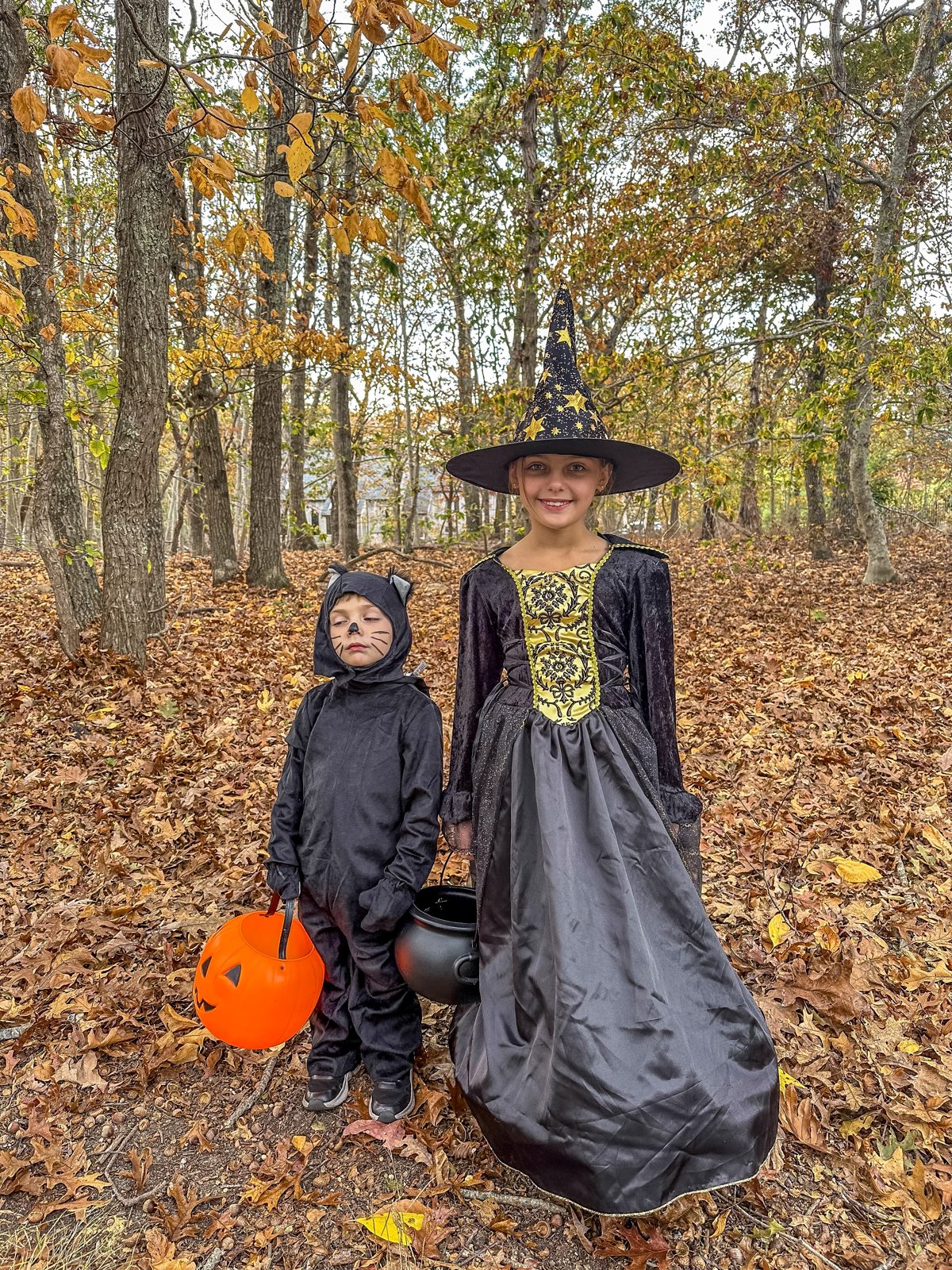
This is the first year we didn’t do a family costume.
It breaks my heart a little bit to see my kids growing up. But they loved their decisions, and that matters more than a matching photo.
It’s also a good reminder of why I say yes to trips with them now. These years go fast.
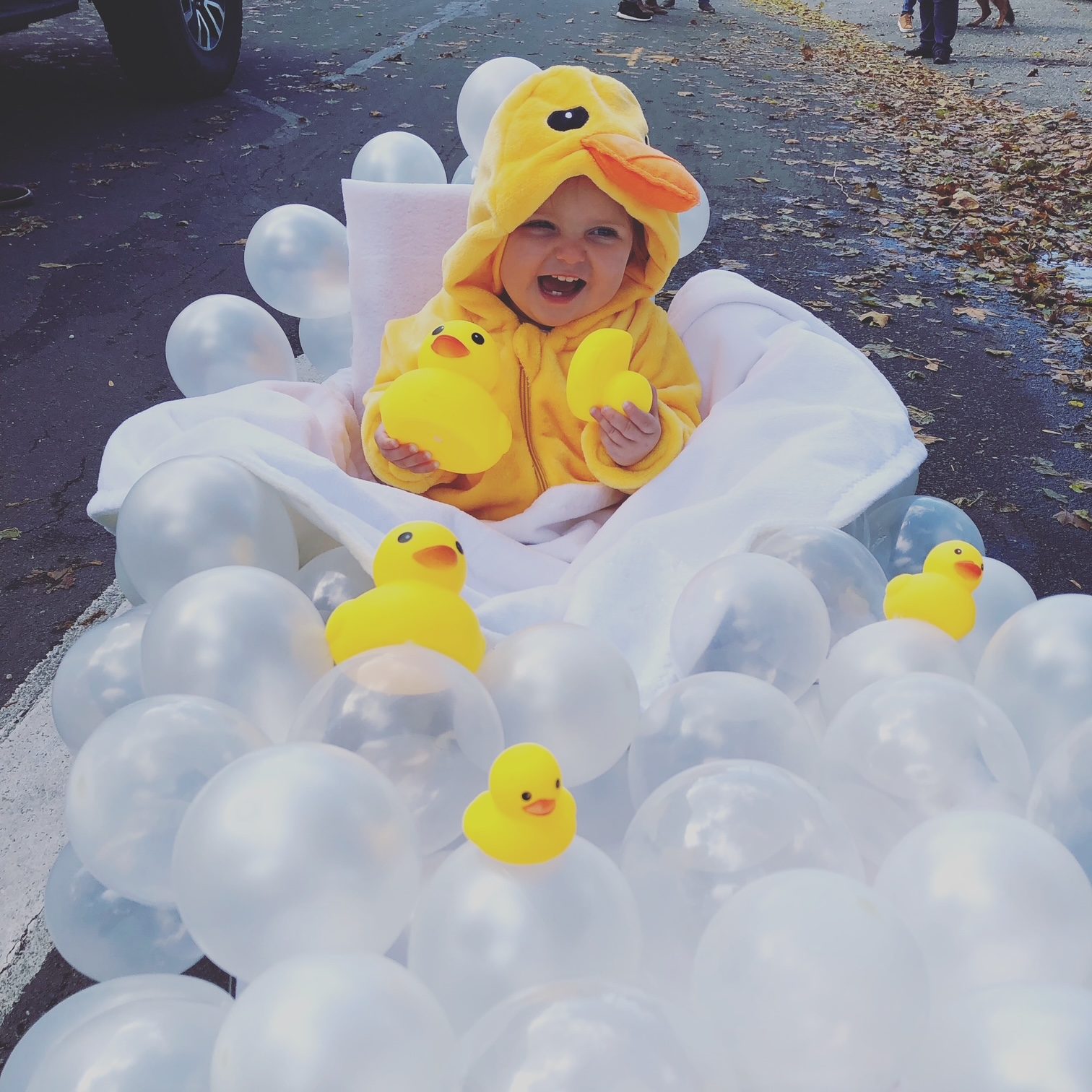
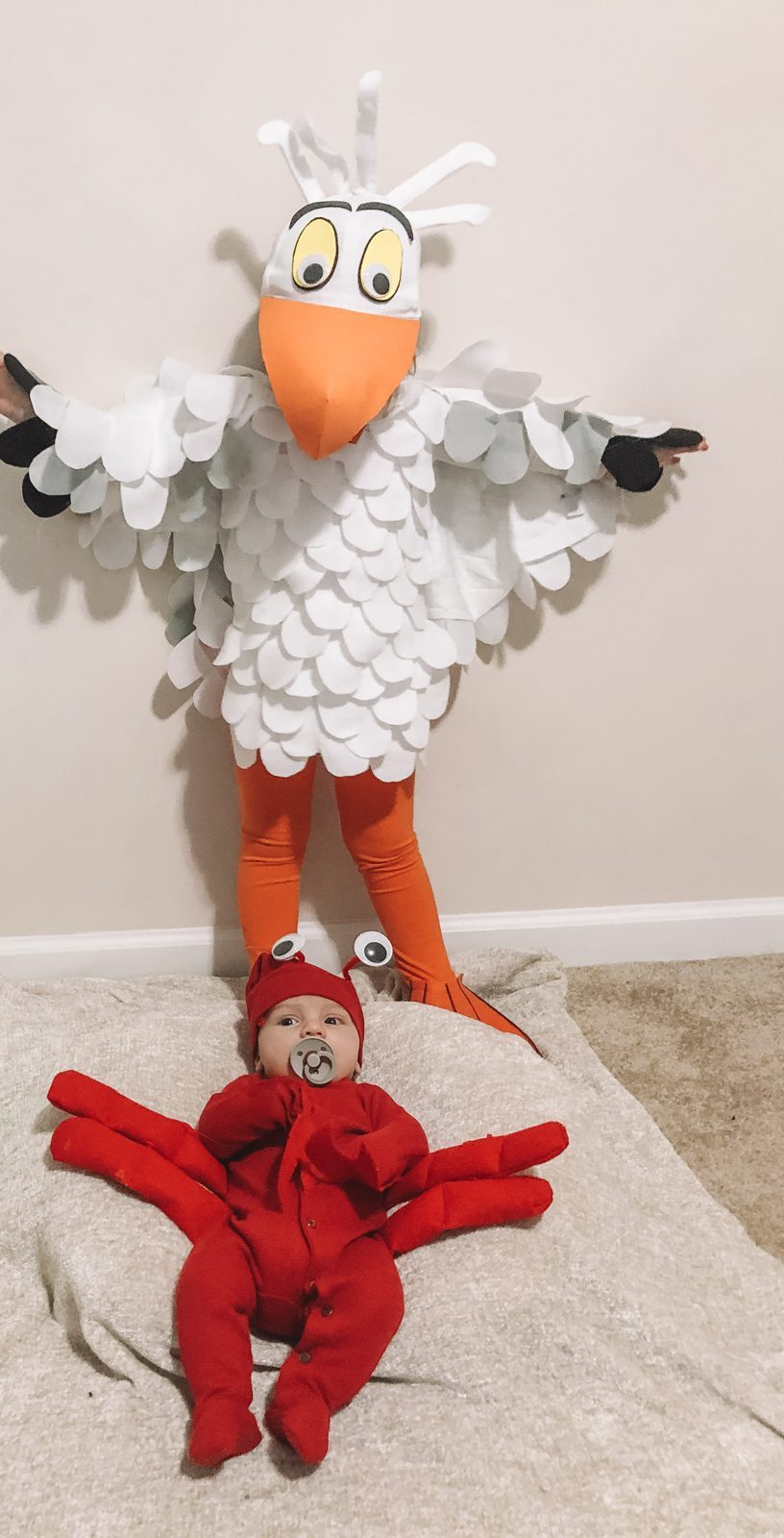
Here are a few of our favorites from years past.



Quick Answers
frequently asked questions
What’s the difference between Halloween and Day of the Dead?
Halloween on October 31 comes from the Celtic festival of Samhain and today is mostly about costumes, candy and a good scare. Day of the Dead, on November 1 and 2, is a Mexican celebration to honor and welcome back loved ones who have passed, with altars, marigolds and family gatherings.
Where did Halloween come from?
Halloween began with Samhain, an ancient Celtic festival in Ireland that marked the end of the harvest and the start of winter. People lit bonfires and wore disguises, and the first jack-o’-lanterns were carved from turnips.
When is Day of the Dead?
Day of the Dead is celebrated on November 1 and 2. November 1 traditionally honors children who have passed, and November 2 honors adults. Preparations and markets start in the days before.
Where is the best place to experience Day of the Dead?
Oaxaca and the area around Lake Pátzcuaro in Michoacán are known for their cemetery vigils and traditional celebrations, and Mexico City holds a large parade. Book accommodation early, as these places fill up months ahead.
Which countries celebrate All Saints’ Day?
All Saints’ Day on November 1 is observed in many countries, including Poland, Italy, Spain, France and the Philippines. In Poland and the Philippines, it is one of the biggest family gatherings of the year.
now it’s your turn
How does your family celebrate this time of year? A tradition, a recipe, the best costume you ever pulled off? Tell me in a DM on Instagram. I love hearing them.
Give A Memory
the holidays are right around the corner
If you’re thinking about giving a memory over a thing this year, as we always do, consider this your sign. Book a trip with Out Making Memories for yourself, or send this to someone you love so they can book one for you.
One of my favorite things lately is seeing mothers and daughters book trips together. Two moms just booked Morocco next year with their daughters, both in their 30s, and I can’t wait to see them out there together.
Holiday offer: The next 10 people to book can use code TRAVEL for $250 off any trip.
— Summer.
Photos: Caleb Hernandez Belmonte, Angel Maldonado, Georgi Kalaydzhiev, Agnieszka Ziomek, Alvin David and Stanisław Lul on Unsplash. Costume photos are our own.