A higher-end beach town that doesn't try too hard
Some beach towns try too hard. Jose Ignacio is the opposite.
It sits at the end of a small peninsula on Uruguay’s Atlantic coast, an hour east of Punta del Este, and it has been quietly stealing visitors from its flashier neighbor for years. No high-rises. No nightclubs. Barely a stoplight. There’s a lighthouse, a handful of beach restaurants, two stretches of sand on either side of the village, and a way of moving through the day that the rest of the world seems to have forgotten.
Make no mistake — this is a higher-end town. The hotels are boutique, the wine list is serious, the lunches are not cheap. But it is a higher-end town that doesn’t try too hard, and that is the whole appeal. Nobody is performing here. The luxury is in what they choose to leave out.
We came for the lunch. We stayed for everything else.
Here’s how a few days in Jose Ignacio went — with two children in tow, a Michelin-starred estancia inland, and one lunch I am still thinking about.


lunch on the sand: parador la huella
If you only do one thing in Jose Ignacio, do this.
Parador La Huella sits right on Playa Brava — wooden tables in the sand, a thatched roof, the surf coming in beyond it. You take your shoes off as you walk down to your table. You order sardines, the catch of the day, a bottle of something cold. The kids run off between courses to chase the surf. Three hours disappear the way they only do here.
“It is one of the most famous restaurants in South America for a reason. It has been written up everywhere. It deserves all of it.”
Reserve weeks ahead. Especially in January and February. This is not the place you walk up to.
walking to the faro
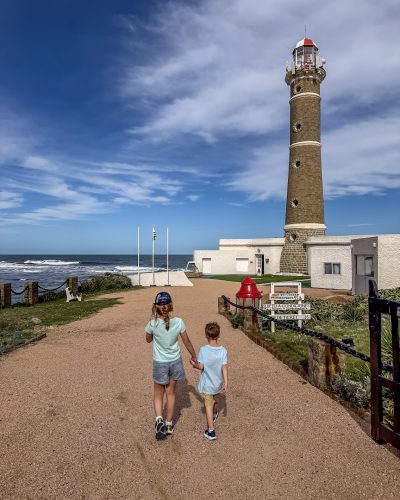
The Faro de José Ignacio sits at the end of the village — a century-old lighthouse where everyone gathers as the day winds down.
If your kids are 8 or older they can climb to the top. Mine couldn’t yet, but the walk out alone is worth it: through the village, past the surfers, down to the point where the Atlantic crashes onto the rocks.
And don’t miss the tide pools below the lighthouse. We spent an hour there hunting tiny crabs and watching the spray come over the rocks. Endless exploring. The kids would have stayed all day.
must visit: shack wellness at vik bahia
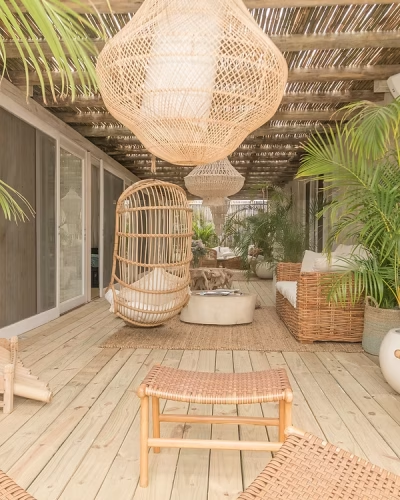
If Estancia Vik is the country side of the Vik brand, Shack Wellness at Vik Bahia José Ignacio is the beach side.
This is a yoga-focused wellness program at the Vik beachfront hotel — sunrise flows on the deck, ocean-facing classes, and that very specific kind of South American boho-luxe that makes you want to throw out your entire calendar.
Whether you are staying at Vik or just visiting for a class, do not miss this one.
inland: estancia vik
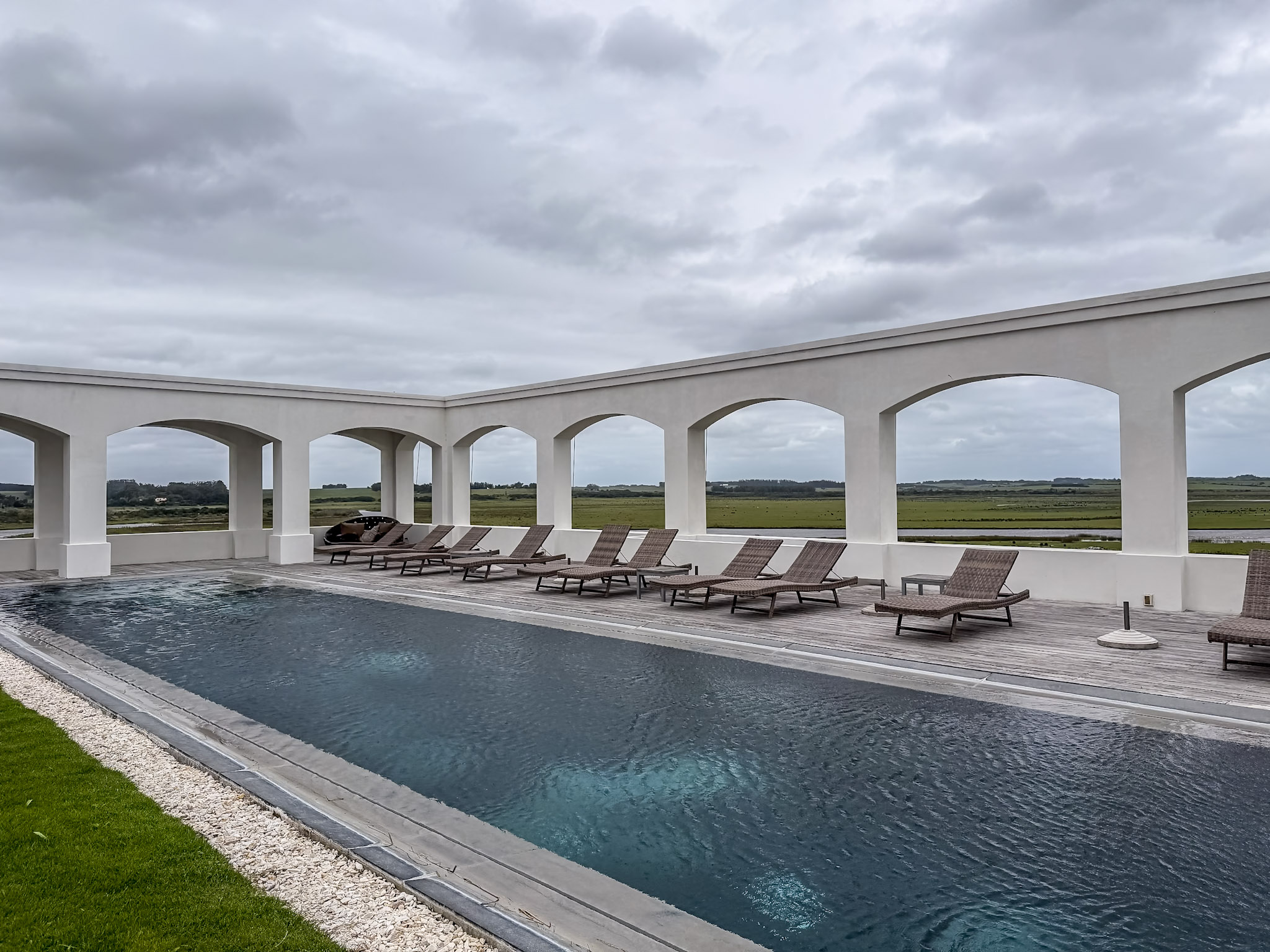
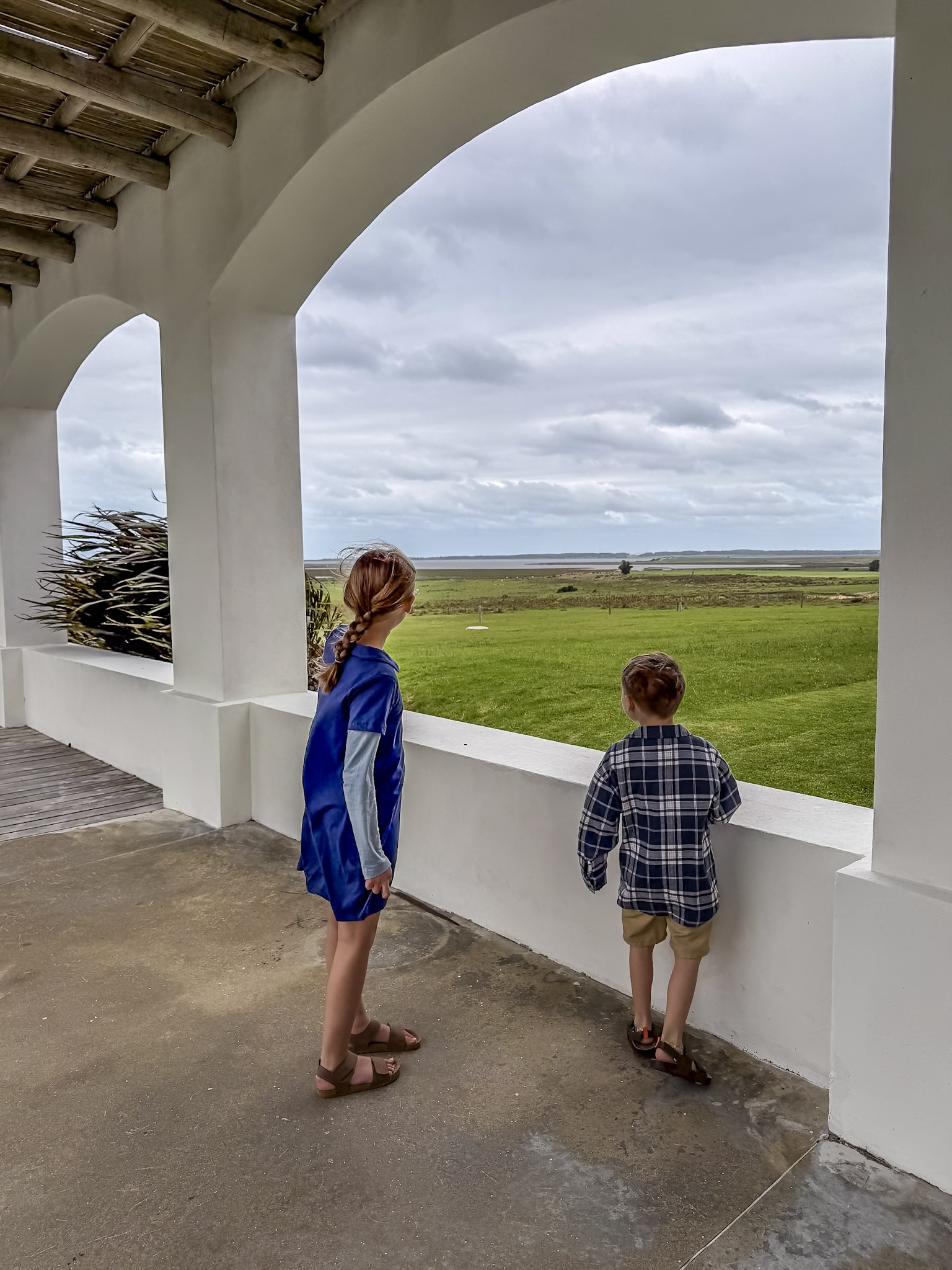
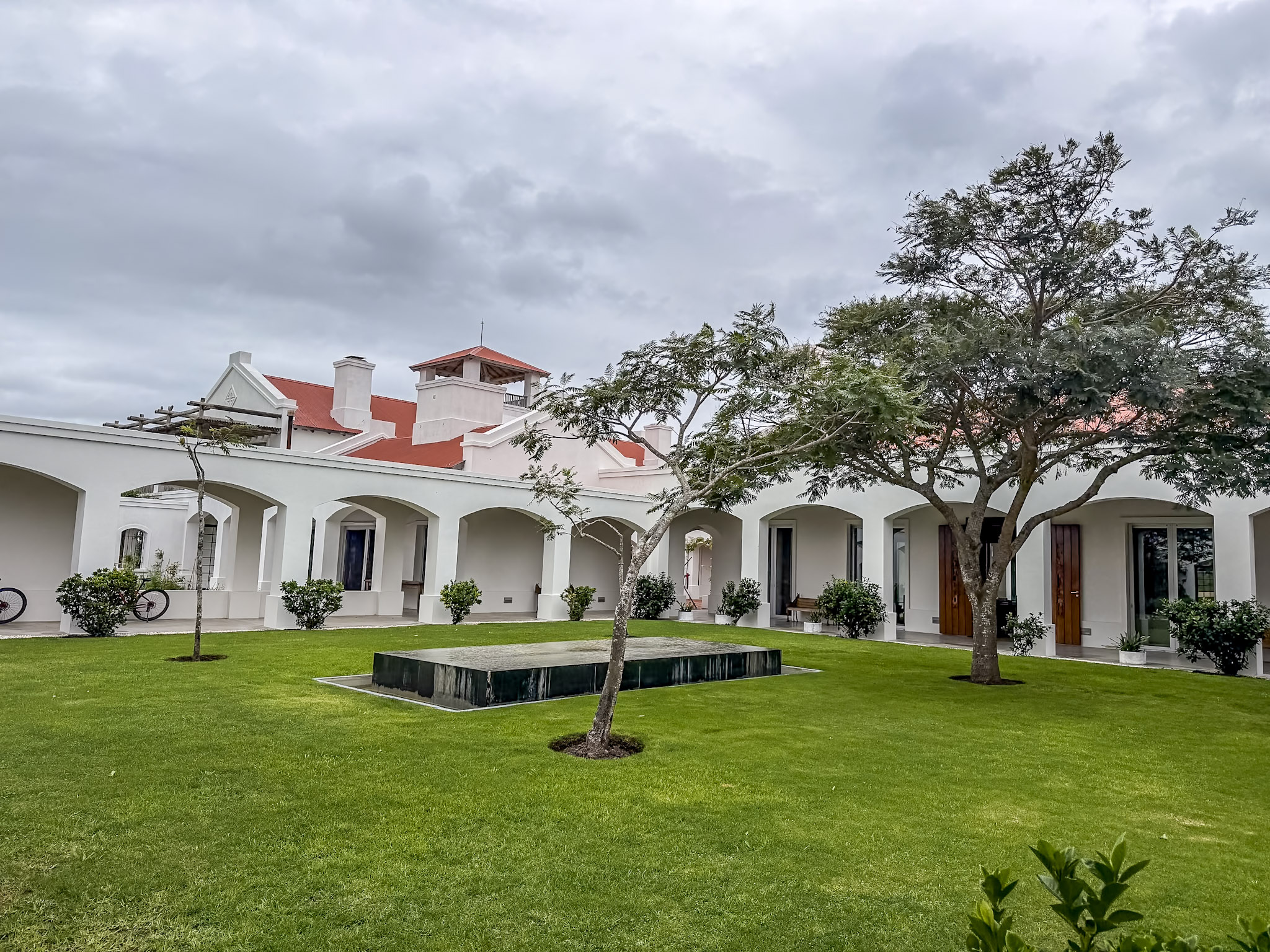
An hour inland from the coast, the landscape changes completely. Cattle. Long white walls under a red-tiled roof. Estancia Vik José Ignacio is a boutique-hotel stay on a working ranch — and it is where you go to remember that Uruguay has another side.
The dining is Michelin-starred. The Tannat is poured generously. Horses are saddled at dusk. You eat under a vaulted ceiling, sleep with the windows open to nothing but wind, and wake to a view that doesn’t change for miles.
It is not cheap. It is also one of the most memorable nights of our entire trip.

the winery: bodega oceánica josé ignacio
If you make it to Jose Ignacio and don’t carve out an afternoon at Bodega Oceánica, you have missed something.
This is a small, family-run estate just inland from the village — vineyards, olive groves, and a tasting room set up so you can drink Uruguayan Tannat with the Atlantic glittering in the distance. The wine is the headline. Tannat is Uruguay’s signature grape — deep, structured, food-loving — and Oceánica’s bottles have been written up everywhere from Wine Spectator to the New York Times.
But the surprise is the olive oil. They press their own from groves right on the property, and the tasting flight pairs both — wine on one side of the board, oil on the other, with bread and cheese to bridge them.
Book the full experience: vineyard walk, oil tasting, wine flight, the works. Plan to be there at least three hours. The light at the end of the day, looking out over the rows of vines toward the ocean, is the kind of thing that makes you start scheming about how to move here.
It is the kind of place where you arrive intending to do a quick tasting and end up staying for the sunset. Don’t fight it.



the lagoon: flamingos & a circle bridge
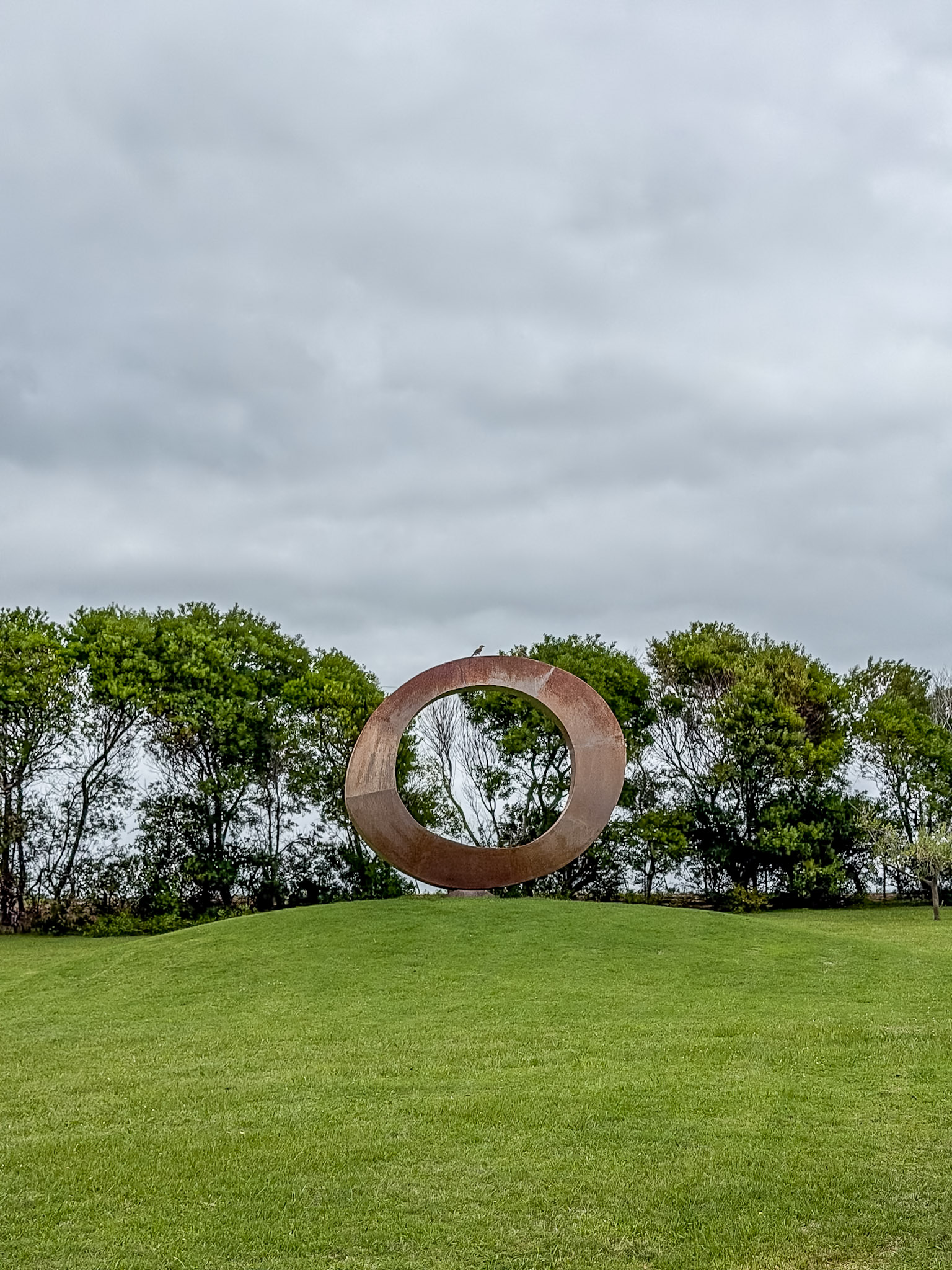
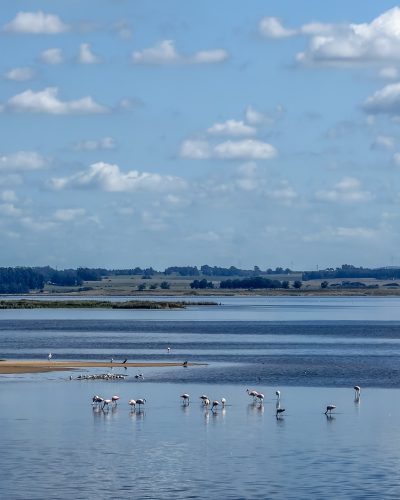
The road into Jose Ignacio crosses Laguna Garzón — a wide, shallow lagoon where flamingos wade in the shallows and the famous Puente Circular de Laguna Garzón loops above the water.
The bridge was designed by Rafael Viñoly, and it does something unusual: instead of crossing the lagoon in a straight line, you drive around it in a circle. It slows the traffic, gives you a 360-degree view of the water, and somehow turns a routine crossing into the kind of moment people stop and photograph.
Worth a stop on the way in. Worth another on the way out.
two beaches: brava and mansa
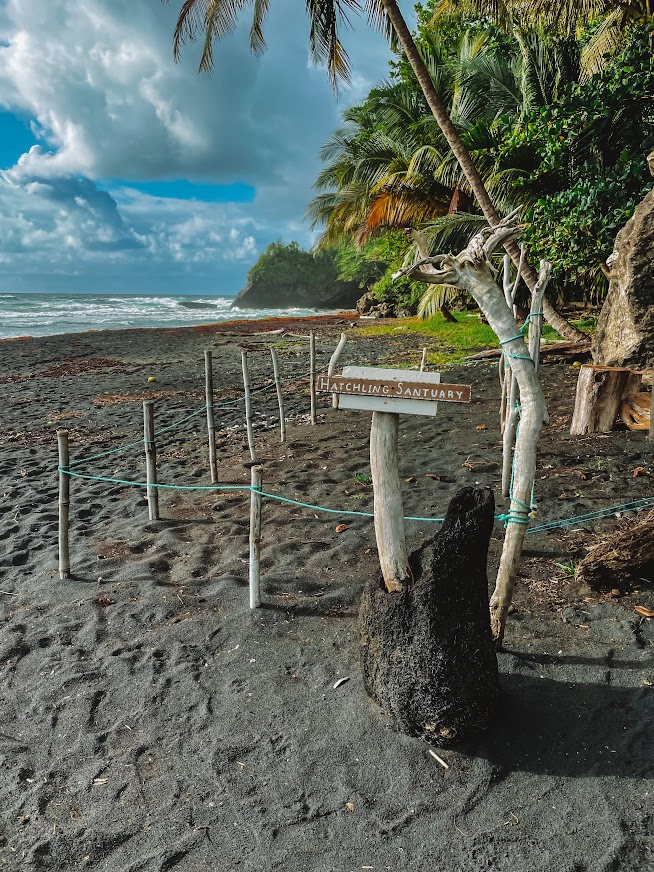
Jose Ignacio sits on a tiny peninsula with the ocean on both sides — and the two beaches could not be more different.
Playa Brava is the wild side. Atlantic surf, big waves, La Huella at one end. This is where the surfers are. This is where the energy is.
Playa Mansa is the calm side. Sheltered, shallower water, sandy and quiet. This is where you take the kids if they are little, where you go for a swim that is not a workout, where you watch the sunset over the bay.
Most days we did both — Mansa in the morning, Brava in the afternoon.

where to eat
Juana — dinner. Modern Uruguayan, beautiful room, always book.
La Despensa — the low-key one. The kind of dinner where you order three small things and stay too long.
Tato Pescador — seafood, more casual than La Huella. Family-run, locally beloved, fish straight off the boat.
Shelter José Ignacio — easy daytime spot, beachy lunch.
El Rancho de Pirulo — for the asado. Classic Uruguayan parrilla — smoke, fire, meat done the way only South America does it.
Panadería José Ignacio — every morning. Pastries, coffee, and the medialunas alone are worth the trip.
Freddo — for the kids. Ice cream. End of story.
the quick guide
Getting there: Fly into Punta del Este (PDP) or Montevideo (MVD) and drive east. About 35 min from PDP, 2.5 hours from MVD. Most people fly into Buenos Aires (EZE) and either take the ferry across to Colonia or hop a quick flight to Montevideo.
Getting around: Rent a car. Not optional. The whole experience — Estancia Vik, Laguna Garzón, both beaches, Bodega Oceánica — assumes you have wheels.
When to go: December through March is summer here. January is peak. We loved early March — warm days, fewer crowds, La Huella reservable inside a week.
Don’t miss: Lunch at La Huella, sunset at the Faro, a class at Shack Wellness, an afternoon at Bodega Oceánica, the drive across Laguna Garzón, and an overnight at Estancia Vik.
With kids: Wonderful. The beaches are forgiving (especially Mansa), most restaurants welcome them, and the village is small enough that you can let them run.
where to stay
There is something for every budget here — that’s part of what makes Jose Ignacio approachable despite the reputation.
Estancia Vik José Ignacio — inland, on the ranch. Michelin dining, horses, vast quiet. The retreat option.
Bahía Vik José Ignacio — on the beach. Sleek architecture, the Shack Wellness program, walking distance to the village. The seaside option.
Casa Chic — the affordable answer, and a great one. Super clean, modern, well-located. If you’d rather spend your money on long lunches and wine tastings than on the room itself, this is exactly where you stay. Highly recommend.
If you can swing it: a couple of nights at Casa Chic to get your bearings, then splurge on one or two at a Vik property. That’s the move.
why jose ignacio just feels different
There's a reason this place has the reputation it does.
A century ago, Jose Ignacio was a fishing village. Population: a few hundred. Then in the 1990s, a handful of architects, restaurateurs, and well-traveled Uruguayans started buying land here — not to develop it, but specifically because nobody else had.
That decision is everything. No high-rises were allowed. No chain hotels. No strip of nightclubs. The village stayed the village. La Huella opened. The Vik family built its hotels. Slowly, quietly, Jose Ignacio became one of the most coveted summer addresses in South America — and somehow stayed small.
Now you can have a Michelin meal in the middle of cattle country, take a yoga class at a beachfront hideaway, eat sardines barefoot in the sand at a parador, taste Tannat and olive oil at a boutique winery, and drive past a famous architect’s circular bridge — all in the same afternoon.
But underneath all of that, it is still a fishing village. People live here. The horses still get walked. The waves still crash against the rocks at the Faro.
That’s why it feels different. It never grew up. And the people who love it most fought to keep it that way.
Final thoughts
We have now been to Colonia, Montevideo, and Jose Ignacio. Each one a different version of Uruguay. Each one worth the trip.
But if you have to pick one — pick Jose Ignacio. Stay longer than you think you need to. Order the catch of the day. Take the kids to the lighthouse. Drink the Tannat slowly.
And when someone asks you what you did, the answer will be not much, honestly.
Which is exactly the point.
— Summer